

My Reflections from the Cambridge International Computer Science Conference
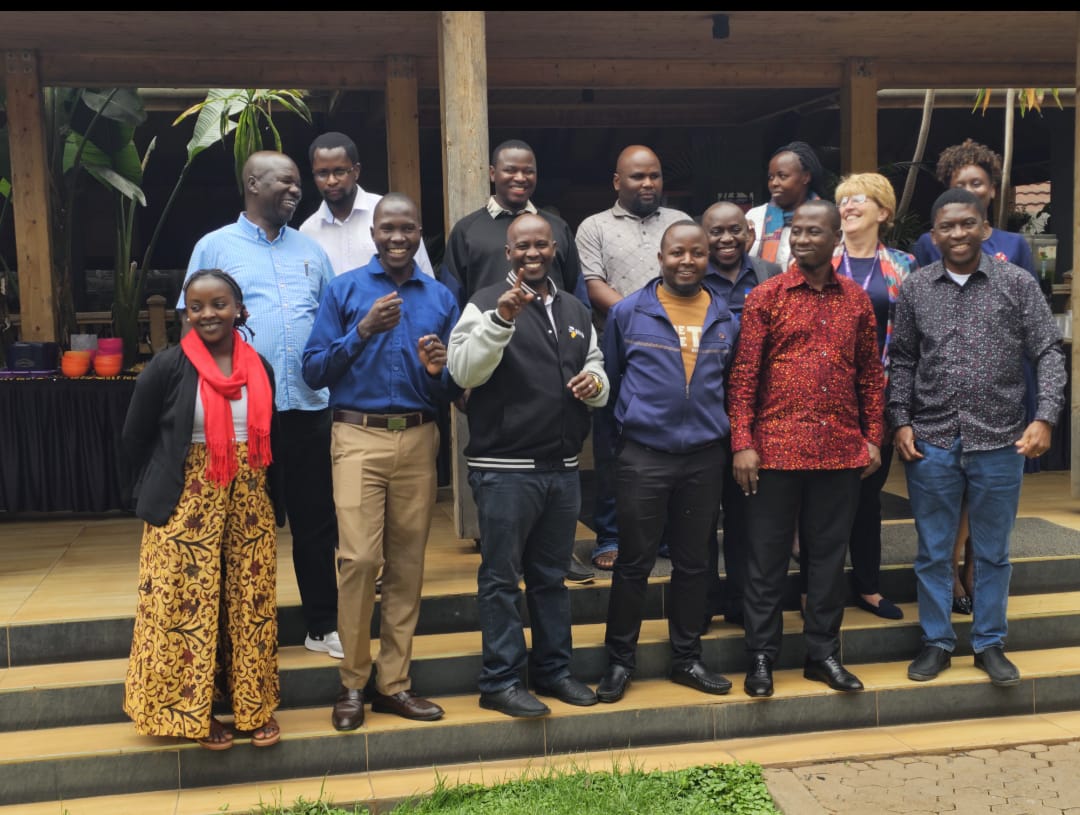 Participating in the Cambridge International AS & A Level Computer Science (9618) Focus on Assessment programme at Brookhouse International School in Nairobi, Kenya, was a rewarding experience that gave me an opportunity to reflect on my teaching practice, learn from other educators and gain a deeper understanding of how we can better prepare our students for success.
I had the opportunity to attend the programme alongside my colleague, Eric Sadaya, from the International Community School (ICS) Kumasi Campus. It was particularly meaningful to represent our respective campuses and return with ideas and insights that could be shared with our colleagues and put into practice in our classrooms.
One of the things I appreciated most about the programme was that it went beyond teaching us what students need to know. It challenged us to think more carefully about how students learn, how we assess their understanding and, perhaps most importantly, how we help them improve.
As teachers, we sometimes become so focused on completing the syllabus and preparing students for examinations that we may overlook the learning opportunities hidden in the mistakes they make. One of my biggest takeaways was the importance of treating incorrect answers not simply as errors to be marked, but as opportunities to understand where a learner is struggling and guide them towards the correct approach. This has changed how I think about assessment. I have come to appreciate that assessment should not only tell us what a student knows or does not know; it should also help us determine what to do next as teachers.
Understanding what Cambridge expects
A significant part of the programme focused on Cambridge assessment and marking principles. We had the opportunity to examine actual candidate responses, study mark schemes and understand why certain answers earn marks while others do not.
I found this particularly useful because it reinforced an important lesson: knowing the subject is not always enough. Students must also understand what a question is asking and communicate their knowledge in a way that meets its requirements.
For instance, the command word in an examination question matters. A student who is asked to explain a concept must do more than simply provide a definition. Similarly, the accurate use of technical terminology, clear reasoning and attention to the context of a question can make a significant difference to the quality of an answer.
These discussions reminded me that preparing students for Cambridge examinations requires more than teaching the content. We must also equip them with the skills to interpret questions, organise their thoughts and demonstrate their understanding effectively.
Making past papers part of everyday learning
Another aspect of the programme that particularly interested me was the different ways we can use past examination questions in our lessons.
Past papers are often associated with revision, mock examinations and final examination preparation. However, I learnt that they can be introduced much earlier in the teaching process as tools for developing understanding.
One approach I found particularly useful was teacher modelling, where the teacher demonstrates how to approach a question while explaining the thinking behind each step. This allows students to see not just the answer, but the reasoning that leads to it.
I also appreciated the emphasis on asking students questions such as, “What makes you say that?” This encourages them to think beyond providing an answer and consider the evidence or reasoning that supports it.
I believe these approaches are especially relevant to Computer Science, where understanding logic, algorithms and problem-solving processes is just as important as arriving at the correct solution. I am looking forward to incorporating more of these strategies into my lessons.
Looking beyond examination scores
The programme also reinforced the importance of effective feedback. I was reminded that feedback is only useful when students understand it and know what to do with it.
Simply highlighting an error or writing a comment on a student’s work does not necessarily lead to improvement. We must create opportunities for learners to revisit their work, ask questions, reflect on their mistakes and make corrections.
This is something I intend to be more deliberate about in my teaching. I want students to see feedback as part of their learning journey rather than something they receive after an assessment and move on from.
I also want to pay closer attention to patterns in students’ responses. Sometimes, a poor answer may be an indication of a misunderstanding that requires us to revisit a concept or approach the topic differently. Recognising these gaps early can help us provide more targeted support.
Preparing students for the different Cambridge examination papers
Our sessions also provided practical insights into the demands of the four Cambridge International AS & A Level Computer Science examination papers.
From understanding computer systems in Paper 1 to applying algorithms, programming and logic in Paper 2, the discussions highlighted the importance of developing both subject knowledge and the ability to apply it. Papers 3 and 4 further reinforced the need for students to demonstrate in-depth theoretical understanding and practical programming skills.
I found the discussions particularly helpful because they connected assessment expectations with the areas where students commonly experience difficulties. They also reminded me that students need consistent opportunities to practise, explain their reasoning and develop confidence in applying what they have learnt.
My biggest reflection from these sessions is that we should not teach students simply to remember information for an examination. We should help them understand concepts well enough to apply them in different situations.
Learning from fellow educators
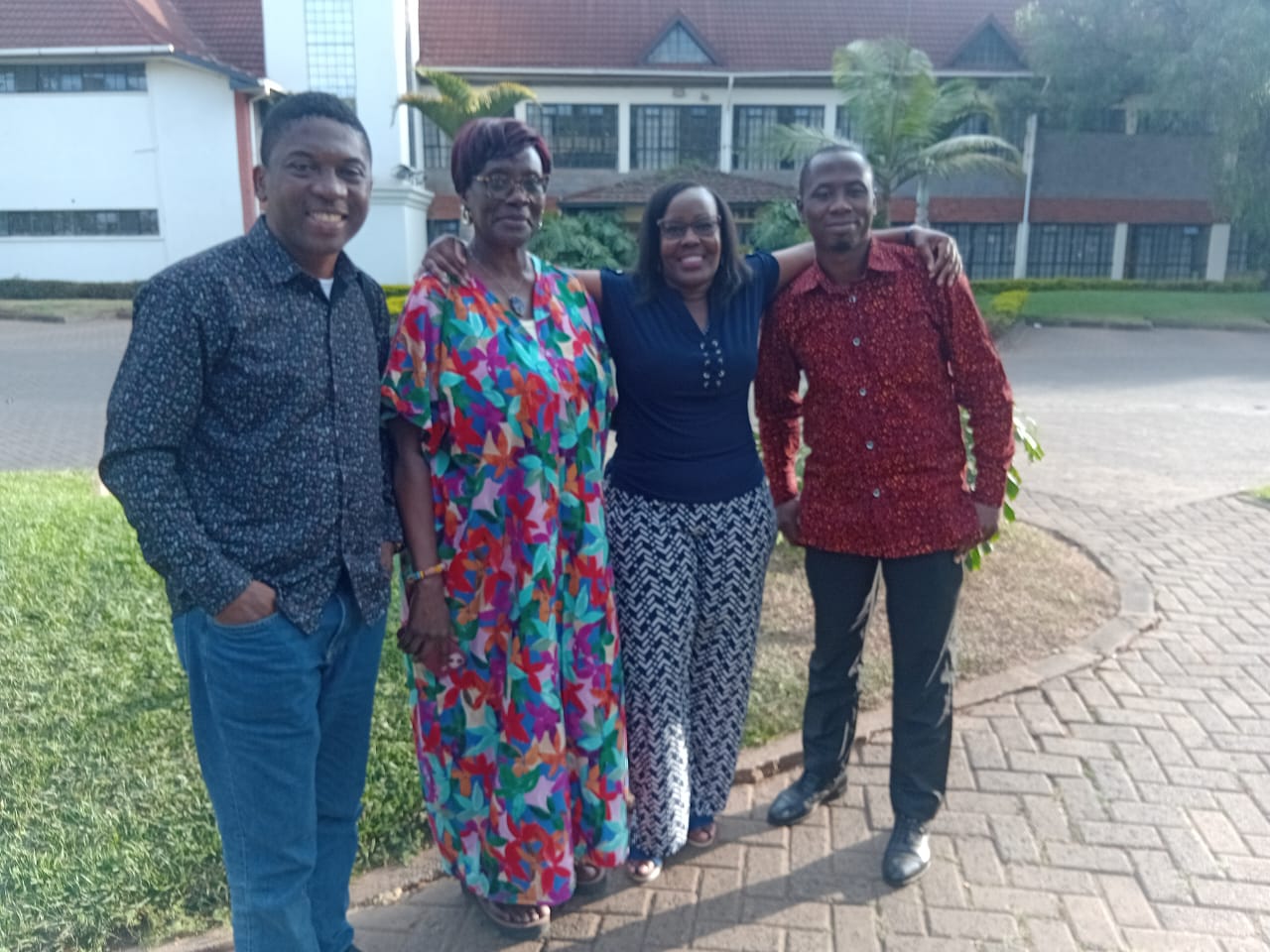
Beyond the technical sessions, one of the highlights of the programme was interacting with educators from different schools and professional backgrounds.
There is something valuable about being in a room with people who share similar responsibilities but bring different experiences and approaches to their work. The conversations allowed us to exchange ideas, discuss common teaching challenges and consider new ways of approaching familiar classroom situations.
For Eric and me, it was also an opportunity to reflect on our experiences at ICS and consider how some of the ideas shared could be adapted to benefit our learners across both campuses.
I was equally delighted to reconnect with some former ICS staff members in Nairobi. Their warmth and hospitality made our stay even more enjoyable. I would particularly like to appreciate Miss Ayodo for her kindness and for helping make the experience a memorable one. It was lovely to see that the relationships built within the ICS community continue even when colleagues move on to other places.
Taking the learning back to ICS
Returning from Nairobi, I feel refreshed, encouraged and more intentional about the way I approach teaching and assessment. I am particularly looking forward to using more examination-question analysis, worked examples and practical problem-solving activities in my lessons. I also hope to create more opportunities for students to reflect on their answers, learn from their mistakes and take greater ownership of their progress.
For me, the real value of professional development is not simply in attending a programme or acquiring new information. It is in what we do with that knowledge when we return to our classrooms. The experience also reminded me that teaching is a continuous learning process. No matter how long we have been in the profession, there is always room to question our methods, learn from others and find better ways to support our students.
Ultimately, I want my students to leave my Computer Science lessons with more than the ability to answer examination questions. I want them to become confident thinkers, independent problem-solvers and learners who can apply their knowledge meaningfully.
About the Author
Mr Abdul Qudus Khalid is a Computer Science Teacher at International Community School (ICS), Accra, with over 15 years of teaching experience. He has taught across the Ghana Education Service and Cambridge curricula, specialising in Computer Science at IGCSE and AS & A Level. He holds a Bachelor of Education in Computer Science and a Master’s degree in Information Technology from the University of Cape Coast. Beyond the classroom, Mr Khalid is passionate about making Computer Science engaging and accessible, helping learners develop computational thinking, problem-solving skills and confidence in applying technology. He is also an author of several educational textbooks, including the Kudusoft Computing series for Primary 4 to 6, reflecting his commitment to supporting both learners and fellow educators in the teaching and learning of Computer Science.
ABOUT THE AUTHOR
Mr Abdul Qudus Khalid is a Computer Science Teacher at International Community School (ICS), Accra, with over 15 years of teaching experience. He has taught across the Ghana Education Service and Cambridge curricula, specialising in Computer Science at IGCSE and AS & A Level. He holds a Bachelor of Education in Computer Science and a Master’s degree in Information Technology from the University of Cape Coast. Beyond the classroom, Mr Khalid is passionate about making Computer Science engaging and accessible, helping learners develop computational thinking, problem-solving skills and confidence in applying technology. He is also an author of several educational textbooks, including the Kudusoft Computing series for Primary 4 to 6, reflecting his commitment to supporting both learners and fellow educators in the teaching and learning of Computer Science.