



Reflections from Felsted Summer School 2026
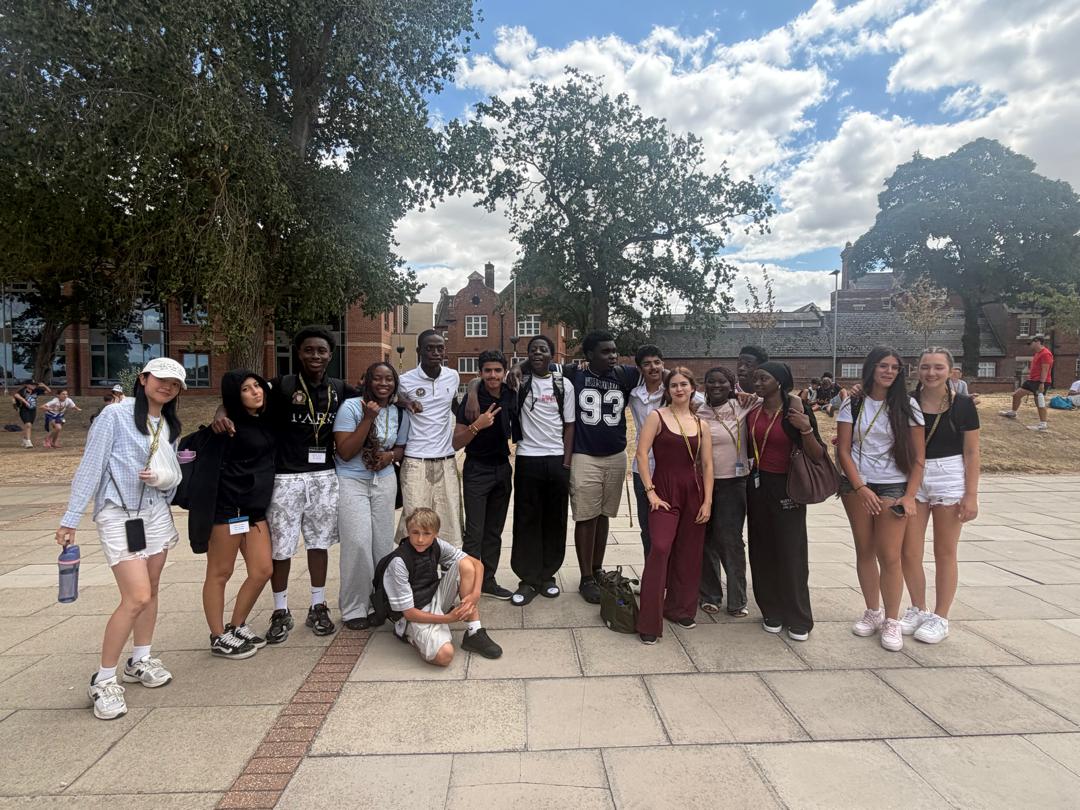
Between 26th July and 9th August, I accompanied a group of our students to Felsted International Summer School in the United Kingdom. Beyond supervising the students, the experience gave me a valuable opportunity to observe how an established international programme structures daily life, manages safeguarding, and creates meaningful opportunities for learning beyond the classroom.
A Typical Day or Routines at Felsted Summer School.
One thing that stood out to me was the consistency and purpose of the daily routine at Felsted. House parents ensured that students were ready before 8:00am each morning and accompanied them to the dining hall for breakfast. This was followed by Global Studies, which ran until lunch at 12:15pm. After lunch, students moved into Academies, where they could choose from areas such as leadership, international relations, multi-sport, fashion and others based on their interests. This was followed by clubs, again allowing students to make choices based on their interests.
The afternoon activities continued until dinner at 5:15pm. After dinner, students had a period of reflection before participating in evening activities such as bingo, water runs and quiz nights. At the end of the evening, house parents accompanied students back to their houses. Phones were collected at 9:30pm each day and returned before breakfast the following morning.
There were also hydration breaks between lessons, with water, biscuits and fruit readily available. Wednesdays were set aside for excursions, while Saturdays combined sports, a treasure hunt and an excursion. Sundays were reserved for shopping. What I appreciated about the programme was the balance between structure and choice. Students knew what was expected of them, but they also had opportunities to make decisions, explore their interests and enjoy themselves.
Memorable Lessons, Activities, or Experiences that Stood Out to Me.
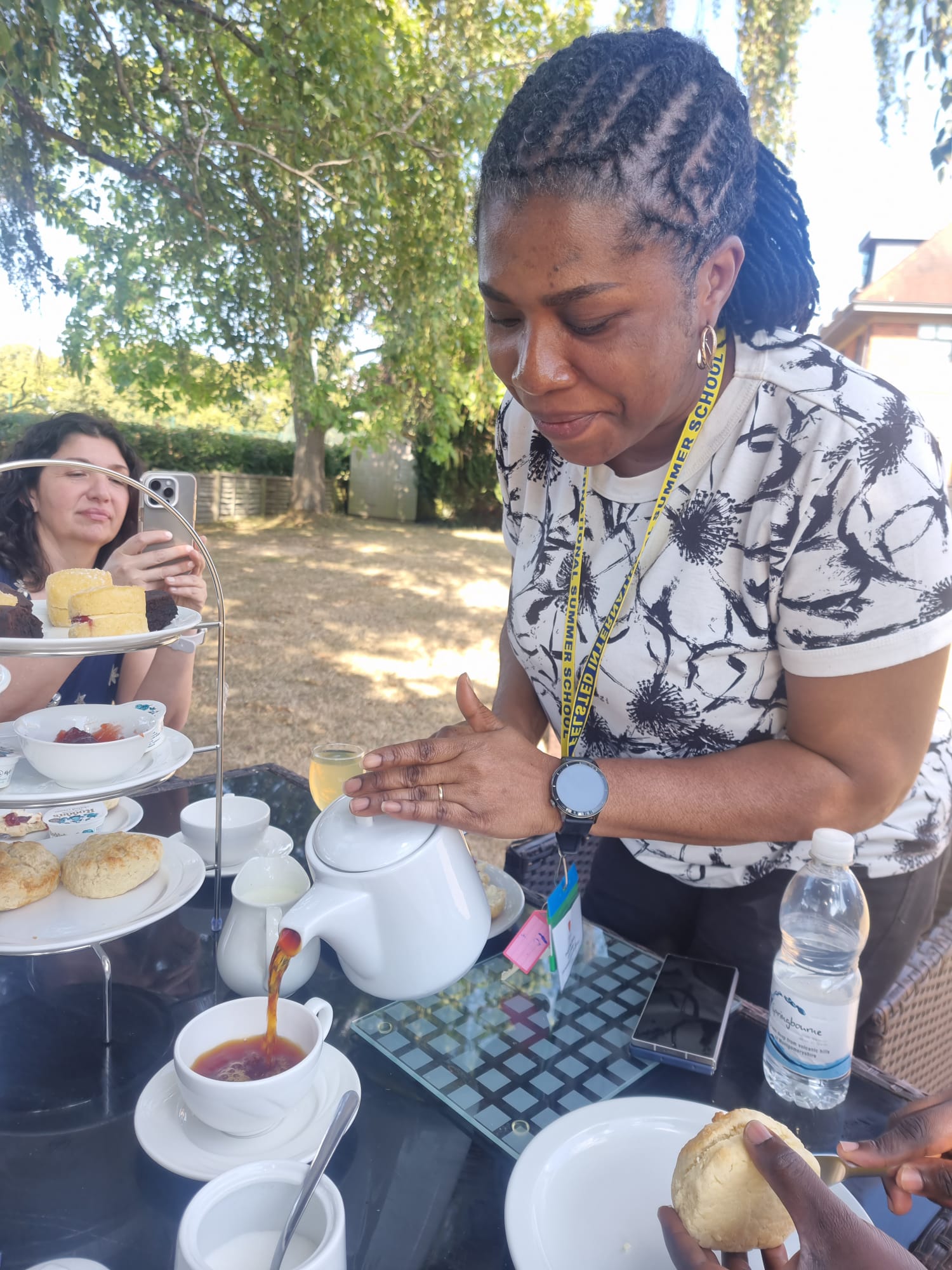 For me, the most memorable part of the experience was seeing the excitement on our students’ faces and listening to their conversations as they interacted with students from different parts of the world. Simple moments became learning experiences — baking scones with Emma, a member of the Felsted staff, alongside Veronica from Argentina and Diana; sharing an English breakfast as a group; and taking an open-top bus tour through Central London. These experiences reminded me that learning does not always have to happen in a classroom. Sometimes, simply being in a new environment, meeting people from different cultures and experiencing places with a rich history can be just as powerful.
It also made me reflect on the opportunities we are able to provide for our own students. If resources allowed, I would want every one of our children to have an experience like this. The exposure, independence, cultural awareness and confidence that students gain from such experiences are difficult to replicate within the four walls of a classroom.
One incident in particular stood out to me as a lesson in leadership and safeguarding. On the third or fourth day, a group of students broke the no-phones-at-mealtimes rule in the dining hall. When a staff member asked them to hand over their phones, they refused and became disrespectful when she attempted to take them. The response was immediate and firm. The students were isolated, their parents were contacted, and they were ultimately sent home on the next flight. While the consequence was serious, what stood out to me was the consistency of the response. The school made it clear that expectations apply to everyone and that disrespectful behaviour towards staff would not be overlooked. It reinforced for me that safeguarding is not only about having policies in place; it is also about having the courage and consistency to uphold those policies when they are tested.
My biggest takeaway for fellow leaders and teachers is that programmes such as Felsted International Summer School are not only valuable for the students though they are design for them. As adults accompanying them, we also have much to learn if we take the time to observe carefully. We can learn from how routines are established, how students are given responsibilities, how staff communicate expectations, how safeguarding is embedded into everyday practice, and how consequences are applied fairly and consistently.
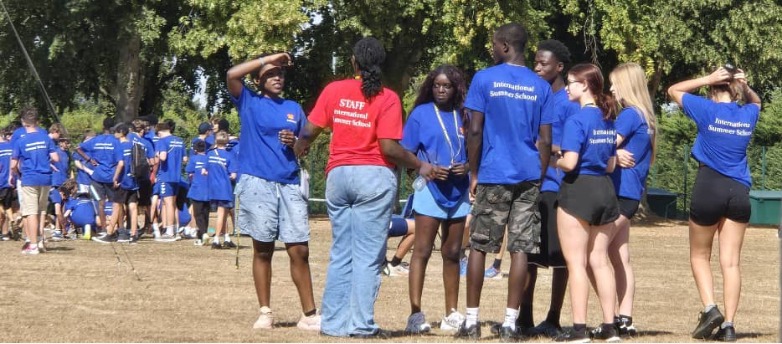
Overall, the trip was both a professional and personal learning experience for me. It broadened my understanding of how an international summer programme operates and deepened my appreciation of the importance of strong systems, consistent safeguarding and meaningful student experiences. Most importantly, it reminded me that when we give children opportunities to step outside what is familiar, we are not simply taking them on a trip — we are helping them become more confident, independent and globally minded young people.
About the Author
 Mrs. Bridget Takyi is the Head of Primary at the International Community School – Accra Campus, with nearly two decades of experience in classroom teaching, curriculum development and school leadership. A passionate educator, she is committed to creating supportive, engaging and inclusive learning environments where every child can thrive. She also champions student-centred learning, teacher development and strong partnerships between schools and families. Mrs. Takyi holds an MBA in Strategic Management and a Diploma in Education and is currently pursuing the Cambridge Certificate in Educational Leadership.